
In stock
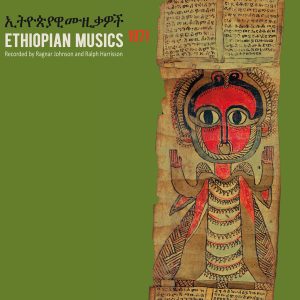
2 LP
Ragnar JOHNSON – Ralph HARRISSON
“Ethiopian Musics 1971”
These recordings were made in the Empire of Ethiopia in 1971. The music recorded in Addis Ababa uses masenko fiddles, craar and bagana lyres, washint flutes and kabaro drums.
There is folk music played in Addis Ababa tej beit bars with vocals, craar, masenko, washint and kabaro, Ethiopian Christian songs accompanied by the bagana large 'Harp of David' and Mary Armede's craar accompanied Amharic sung poetry. There are Afar chants and flutes from the Danakil Desert, Anuak thumb piano, Nuer harp and dance drumming and a Fila Flute Dance from the Sudan and Kenya borderlands.
Ethiopian Musics 1971 is one of those albums where each musical moment is pure, intoxicating gold, while also being greater through the sum of its parts. There are the many songs, forming a rich tapestry of remarkable range across the respective two LPs/CDs (moments that wondrously flirt with sonic abstraction; hypnotic rhythms; pulsing chant; melodies that, in structural arrangement and tonal combination, help us reframe how such a thing might be understood, and a great deal more), each imbued with a remarkable directness and emotive sensibility, and there is the stunning quality of these recordings themselves, transporting each sound to our ears as though we intimately share its creator's space, while being imbued with the pure heart and remarkable spirit with which they were made. As we said before, it's little wonder, once heard, why these recordings and this music feels as fresh and relevant (enduring more than 50 years) today as when they were made. Once again, Sub Rosa has raised the bar with this essential addition to the incredible work that Ragnar Johnson and Ralph Harrisson did back in Ethiopia during 1971, radically expanding our access to the sounds that they captured with these stunning, beautifully produced 2LP and 2CD editions.
A few words from the recordists:
'The recordings that Ragnar Johnson and Ralph Harrisson made in Ethiopia in 1971 have preserved the skill of the musicians and the beauty of the music for posterity. After more than fifty years the music lives on for the listener.'
While Johnson's recording career was relatively brief, ending toward the end of the decade when he turned increasingly to teaching in UK universities - specifically the anthropology of art and social anthropology - his impact on the field was lasting. Between 1971 and 1979, in addition to those he made in Ethiopia, he made hugely significant recordings in Yemen (also issued by Lyrichord before being reissued by Sub Rosa) and Papua New Guinea, which were originally released by David Toop's Quartz Publications to wide celebration, before being revisited by Ideologic Organ in 2023.
While it's worth noting that commercial releases of ethno musicological recordings by labels like Folkways, Lyrichord, and Ocora were still in their relatively early days when he entered the field, Johnson's recordings quickly stood apart for their vivid qualities and clarity of space, allowing them to stand the test of time. There is a clear sense of space, and the cries of the flutes exist across the entire stereo field; it is a reflection of his skill as a field recordist that these recordings continue to be reissued over fifty years later.
As he later stated: "I used a Uher Report L stereo tape recorder, BASF quarter inch tapes at a recording speed of seven and a half inches per second with two directional microphones mounted to record an isosceles triangle of stereo sound. The location of the microphones and musicians was critical. The musicians were fully informed of all aspects of the recording process... I used to enjoy being in the moment and hearing something wonderful despite the stress of the vigilance required to ensure that the recordings were accomplished according to plan. The responsibility is to record and document the music as effectively as possible so that it has been preserved for posterity. It is better to actually record music than to sit in a seminar room debating the ethics of recording music." It is this very ethos and sense of clarity that can be encountered across the length of Ethiopian Musics 1971.
23,00€