
Out of stock
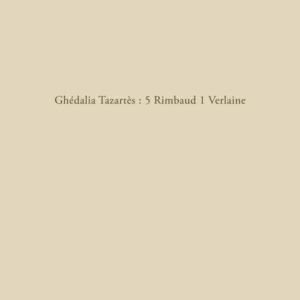
10"
Ghédalia TAZARTÈS
“5 Rimbaud 1 Verlaine”
Vinyl reissue of this great tribute to the poetry of Rimbaud and Verlaine made by our favorite French sorcerer, who exceptionally abandones his typical imaginary language to reinterpret six small poems in his own way, jumping from one musical genre to the other and happily letting them crunch together in a childish, enthusiastic play. Recorded in Paris in his flatelier around the same time he recorded the wonderful Hystérie Off Music and previously available in an almost unnoticed mini CD edition published by the French label Jardin au Fou, it’s now available in a remastered vinyl version - with an excellent 45 rpm cut made by SST in Frankfurt.
Pressing info: 350 copies on black.
15,50€
Out of stock
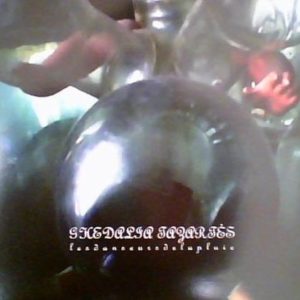
maxi CD
Ghédalia TAZARTÈS
“Les danseurs de la pluie”
“Assassins 1” et “Assassins 2”, recorded in 1977 from sessions of “Une éclipse totale de soleil” and “Assassins 3”, “Assassins 4”, recorded in 2005.
11,00€
Out of stock
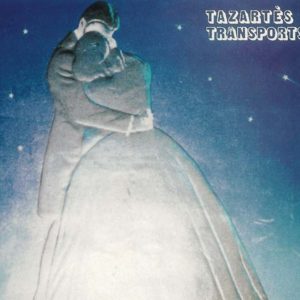
CD
Ghédalia TAZARTÈS
“Transports”
New remastered version ! New bonus tracks !
New remastered CD edition of “Tazartès’ Transports”, Ghédalia Tazartès second LP, presented here with new bonus tracks. Also included are “Assassins 1 to 4” (previously issued as “Les danseurs de la pluie” miniCD), as well as “Elie” featuring Ghédalia in duo with his daughter (previously issued on “Tazartès’ Transports” 1997 first CD edition).
“Tazartès' Transports” is the incredible second album by autodidact and outsider composer Tazartès. Originally released on vinyl in 1980, it probably represents the most original example of the artist's poetical and personal approach to sound organization. The tracks for “Tazartès' Transports” were recorded in 1977 at Ghédalia’s own studio in Paris, strafing stream-of-conscious between rippling electro rhythms to outer-national singing styles, collaged field recordings and musique concrete, to chants, tape loops and exotic atmospheres with a perpetual sense of drift and magical imagination. We're spellbound from the first to last, through the deeply evocative peal of church bells and swirling synthetic textures in track 2, via humid sci-fi scenes and alien avian chatter on track 5 and the lost zones of the closing stages.
Also included on this CD are four “Assassins” tracks previously issued as “Les danseurs de la pluie”. The first two tracks were recorded around the “Eclipse totale” sessions in 1977 and consist of banking guitar feedback, unhinged hollers, and an unsettling piece of children's screams looped against droning synth tones and electronic pulses. The other two were recorded in 2005. “Assassin 3” is a mystical piece of ecstatic ululations and plangent electric guitar riffs, while part 4 feels more opulent, plush synth pads set against strange, strafing distortion, rhythmic exhortations and percussions with a surreal cinematic quality. Yet again, Ghédalia provides us with some of the most compelling, weirdly life-affirming music we've heard in ages.
The disc concludes with "Elie", a charming piano piece performed in duo with the composer's young daughter.
New remastered CD edition of “Tazartès’ Transports”, Ghédalia Tazartès second LP, presented here with new bonus tracks. Also included are “Assassins 1 to 4” (previously issued as “Les danseurs de la pluie” miniCD), as well as “Elie” featuring Ghédalia in duo with his daughter (previously issued on “Tazartès’ Transports” 1997 first CD edition).
“Tazartès' Transports” is the incredible second album by autodidact and outsider composer Tazartès. Originally released on vinyl in 1980, it probably represents the most original example of the artist's poetical and personal approach to sound organization. The tracks for “Tazartès' Transports” were recorded in 1977 at Ghédalia’s own studio in Paris, strafing stream-of-conscious between rippling electro rhythms to outer-national singing styles, collaged field recordings and musique concrete, to chants, tape loops and exotic atmospheres with a perpetual sense of drift and magical imagination. We're spellbound from the first to last, through the deeply evocative peal of church bells and swirling synthetic textures in track 2, via humid sci-fi scenes and alien avian chatter on track 5 and the lost zones of the closing stages.
Also included on this CD are four “Assassins” tracks previously issued as “Les danseurs de la pluie”. The first two tracks were recorded around the “Eclipse totale” sessions in 1977 and consist of banking guitar feedback, unhinged hollers, and an unsettling piece of children's screams looped against droning synth tones and electronic pulses. The other two were recorded in 2005. “Assassin 3” is a mystical piece of ecstatic ululations and plangent electric guitar riffs, while part 4 feels more opulent, plush synth pads set against strange, strafing distortion, rhythmic exhortations and percussions with a surreal cinematic quality. Yet again, Ghédalia provides us with some of the most compelling, weirdly life-affirming music we've heard in ages.
The disc concludes with "Elie", a charming piano piece performed in duo with the composer's young daughter.
15,00€
Out of stock
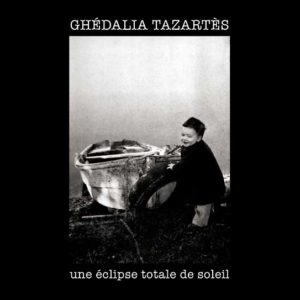
CD
Ghédalia TAZARTÈS
“Une éclipse totale de soleil”
“The first record released by Ghédalia Tazartès in 1979. Far away from contemporary music intellectualisms or from synthetical noise purists, this was certainly one of the most original and creative records of the 70s featuring a new form of musical expression... the value of this work was underestimated and only a few people had a chance to listen to its beautiful music. Now, due to the new growing interest, Alga Marghen has taken the decision to reprint all Tazartes records, starting with his first work. Originally conceived in two parts, Une Eclipse... has been remastered and is now integrated by a 25 minute new piece (’Part III’), composed expressly for this CD”.
15,00€
Out of stock

CD
Ghédalia TAZARTÈS
“Tazartès”
New catalogue number ! New remastered version ! New bonus tracks !
New remastered CD edition of “Tazartès”, Ghédalia Tazartès forth LP, presented here in its integral original length. Also included is the first CD edition of “Whatever Works Singing Wild My Rock Ghédalia” (previously issued as side B of “Granny Awards” LP), created in the early ‘80s in his anhydridic Paris.
Immersive, transporting and deeply arresting music from the revered autodidact and audio oddity. If you’ve never encountered Ghédalia before, this is an excellent place to start, welcoming you to a whole other world of exotic, electro and acoustic sounds, composed according to a genuinely far reaching and individual agenda.
The five bonus tracks opens to a comedic, exuberant vocal set to crackly 78 backing on “Whatever” and turns blind corners into ethno-noise trance-outs on “Singing”, hyper-rhythmic experiments on "Wild" and a jarring hardcore punk-out in “My Rock Ghédalia”. The freedom of expression and taste for exotic, arabesque tonalities is a mighty revelation and we assure you we’ll be digging much deeper into Ghédalia’s catalogue at the nearest opportunity.
New remastered CD edition of “Tazartès”, Ghédalia Tazartès forth LP, presented here in its integral original length. Also included is the first CD edition of “Whatever Works Singing Wild My Rock Ghédalia” (previously issued as side B of “Granny Awards” LP), created in the early ‘80s in his anhydridic Paris.
Immersive, transporting and deeply arresting music from the revered autodidact and audio oddity. If you’ve never encountered Ghédalia before, this is an excellent place to start, welcoming you to a whole other world of exotic, electro and acoustic sounds, composed according to a genuinely far reaching and individual agenda.
The five bonus tracks opens to a comedic, exuberant vocal set to crackly 78 backing on “Whatever” and turns blind corners into ethno-noise trance-outs on “Singing”, hyper-rhythmic experiments on "Wild" and a jarring hardcore punk-out in “My Rock Ghédalia”. The freedom of expression and taste for exotic, arabesque tonalities is a mighty revelation and we assure you we’ll be digging much deeper into Ghédalia’s catalogue at the nearest opportunity.
15,00€
Out of stock
CD
Ghédalia TAZARTÈS
“Diaspora”
New catalogue number! New remastered version! New bonus track!
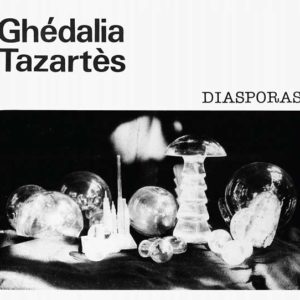
New remastered CD edition of “Diasporas”, Ghédalia Tazartès first LP, presented here in its integral original length. Also included is the first CD edition of “Ferme ta gueule, Zarathustra” (previously issued as side A of “Granny Awards” LP), largely based on materials pre-dating Ghédalia debut LP “Diasporas”.
In “Ferme ta gueule, Zarathustra” Ghédalia Tazartès is freely connecting the garbled “voix d'enfant” of Raphaël Glucksmann with intoxicating, slow moving and sustained synth chords, before jump-cutting into bird calls, dissonant arabesque strings and eccentric vocalizations with a blinding sense of freedom.
Ghédalia Tazartès is a nomad. He wanders through music from chant to rhythm, from one voice to another. He paves the way for the electric and the vocal paths, between the muezzin psalmody and the screaming of a rocker. He traces vague landscapes where the mitre of the white clown the plumes of the sorcerer, the helmet of a cop and Parisian anhydride collide into polyphonic ceremonies… The greatest trips were made in the deep end of the throat: the extra-European music open the ear to Ghédalia’s intra-European exoticism. Where was music before music halls? Where was the voice before it learned how to speak? Ghédalia is the orchestra and a pop group all in one person: the self is multitude and others. The author and his doubles work without a net, freely connecting the sounds, the rhythms, his voice, his voices. The permanent metamorphosis is a principle of composition, it escapes control, refuses classification. To hell with the technocrats of noise and the purists of synthetic culture. All art like all true mythology use a double clavier, playing nature and culture, feeling and the distance of the flesh, death. Off limits!
New remastered CD edition of “Diasporas”, Ghédalia Tazartès first LP, presented here in its integral original length. Also included is the first CD edition of “Ferme ta gueule, Zarathustra” (previously issued as side A of “Granny Awards” LP), largely based on materials pre-dating Ghédalia debut LP “Diasporas”.
In “Ferme ta gueule, Zarathustra” Ghédalia Tazartès is freely connecting the garbled “voix d'enfant” of Raphaël Glucksmann with intoxicating, slow moving and sustained synth chords, before jump-cutting into bird calls, dissonant arabesque strings and eccentric vocalizations with a blinding sense of freedom.
Ghédalia Tazartès is a nomad. He wanders through music from chant to rhythm, from one voice to another. He paves the way for the electric and the vocal paths, between the muezzin psalmody and the screaming of a rocker. He traces vague landscapes where the mitre of the white clown the plumes of the sorcerer, the helmet of a cop and Parisian anhydride collide into polyphonic ceremonies… The greatest trips were made in the deep end of the throat: the extra-European music open the ear to Ghédalia’s intra-European exoticism. Where was music before music halls? Where was the voice before it learned how to speak? Ghédalia is the orchestra and a pop group all in one person: the self is multitude and others. The author and his doubles work without a net, freely connecting the sounds, the rhythms, his voice, his voices. The permanent metamorphosis is a principle of composition, it escapes control, refuses classification. To hell with the technocrats of noise and the purists of synthetic culture. All art like all true mythology use a double clavier, playing nature and culture, feeling and the distance of the flesh, death. Off limits!
15,00€
Out of stock
4 CD
Ghédalia TAZARTÈS
“Les danseurs de pluie – coffret”
New slipcase edition!
This lavish set includes the complete Ghédalia Tazartès recordings previously issued on CD by Alga Marghen. This editions is presented in a newly designed slipcase box including 4 CDs in elegant slim digipak sleeves.
“Diasporas” is the CD edition of Tazartès’ first album also including “Ferme ta gueule, Zarathustra” (previously issued as side A of “Granny Awards” LP).
“Tazartès’ Transports” is the CD edition of Tazartes' second album complete with four “Assassins” bonus tracks (previously issued as "Les danseurs de la pluie" miniCD).
“Une eclipse totale de soleil” is the CD edition of Tazartès' third album. Originally conceived in two parts, this CD edition is completed by the long bonus track “Il regalo della befana”, or “Eclipse totale de soleil (Part III)”.
“Tazartès” is the CD edition of Tazartès’ forth album also including “Whatever Works Singing Wild My Rock Ghédalia” (previously issued as side B of “Granny Awards” LP).
Ghédalia Tazartès is a nomad. He wanders through music from chant to rhythm, from one voice to another. He paves the way for the electric and the vocal paths, between the muezzin psalmody and the screaming of a rocker. He traces vague landscapes where the mitre of the white clown the plumes of the sorcerer, the helmet of a cop and Parisian anhydride collide into polyphonic ceremonies… The greatest trips were made in the deep end of the throat: the extra-European music open the ear to Ghédalia’s intra-European exoticism. Where was music before music halls? Where was the voice before it learned how to speak? Ghédalia is the orchestra and a pop group all in one person: the self is multitude and others. The author and his doubles work without a net, freely connecting the sounds, the rhythms, his voice, his voices. The permanent metamorphosis is a principle of composition, it escapes control, refuses classification. To hell with the technocrats of noise and the purists of synthetic culture. All art like all true mythology use a double clavier, playing nature and culture, feeling and the distance of the flesh, death. Off limits!
This lavish set includes the complete Ghédalia Tazartès recordings previously issued on CD by Alga Marghen. This editions is presented in a newly designed slipcase box including 4 CDs in elegant slim digipak sleeves.
“Diasporas” is the CD edition of Tazartès’ first album also including “Ferme ta gueule, Zarathustra” (previously issued as side A of “Granny Awards” LP).
“Tazartès’ Transports” is the CD edition of Tazartes' second album complete with four “Assassins” bonus tracks (previously issued as "Les danseurs de la pluie" miniCD).
“Une eclipse totale de soleil” is the CD edition of Tazartès' third album. Originally conceived in two parts, this CD edition is completed by the long bonus track “Il regalo della befana”, or “Eclipse totale de soleil (Part III)”.
“Tazartès” is the CD edition of Tazartès’ forth album also including “Whatever Works Singing Wild My Rock Ghédalia” (previously issued as side B of “Granny Awards” LP).
Ghédalia Tazartès is a nomad. He wanders through music from chant to rhythm, from one voice to another. He paves the way for the electric and the vocal paths, between the muezzin psalmody and the screaming of a rocker. He traces vague landscapes where the mitre of the white clown the plumes of the sorcerer, the helmet of a cop and Parisian anhydride collide into polyphonic ceremonies… The greatest trips were made in the deep end of the throat: the extra-European music open the ear to Ghédalia’s intra-European exoticism. Where was music before music halls? Where was the voice before it learned how to speak? Ghédalia is the orchestra and a pop group all in one person: the self is multitude and others. The author and his doubles work without a net, freely connecting the sounds, the rhythms, his voice, his voices. The permanent metamorphosis is a principle of composition, it escapes control, refuses classification. To hell with the technocrats of noise and the purists of synthetic culture. All art like all true mythology use a double clavier, playing nature and culture, feeling and the distance of the flesh, death. Off limits!
53,00€